Buying guides
Sourcing notes for importers of LED flashlights and car accessories
Written on the production line in Simen, Yuyao — the checks that actually predict whether a shipment arrives right, the plug and voltage rules for specific markets, and how custom development from your own sample is priced and scheduled.
Questions buyers ask first
Short routes into the questions importers ask most — specifications, compliance, shipping terms and after-sales. One click straight to the answer.
Start at the stage you are in
Four steps from planning a winter buy to handling returns. Every link opens the guide written for that decision.
Decide the range and the calendar
Work out what sells, when it sells and what a container must contain.
→Winter demand and 12-month calendar→Roadside kit assortment→Market documents by destinationTurn the product into a testable spec
Replace headline numbers with conditions, tolerances and evidence.
→Jump starter starting current→Inflator PSI and auto-stop→Surviving independent bench testsCheck the supplier and the paperwork
Confirm the factory, the certificates and the terms before the deposit.
→Choosing a Chinese supplier→Verifying CE, UKCA and FCC→Video audit and pre-shipment QCMove the container, support the customer
Classify, ship, price and handle what happens after delivery.
→UN38.3 and lithium shipping→HS codes and FOB vs DDP→Warranty, parts and returnsHow to Choose a Rechargeable LED Flashlight Supplier in China (2026 Checklist)
Seven checks that separate a real Chinese flashlight factory from a trading company: in-house moulding, battery pack assembly, plug and voltage, sample consistency, test reports and after-sales.
- Ask which production steps happen under the supplier's own roof. Housing moulding, driver board assembly and battery pack welding are the three that matter.
- Match plug type and voltage to your destination market before you compare prices — a 220 V EU-plug quote is not comparable to a 127 V NBR 14136 quote.
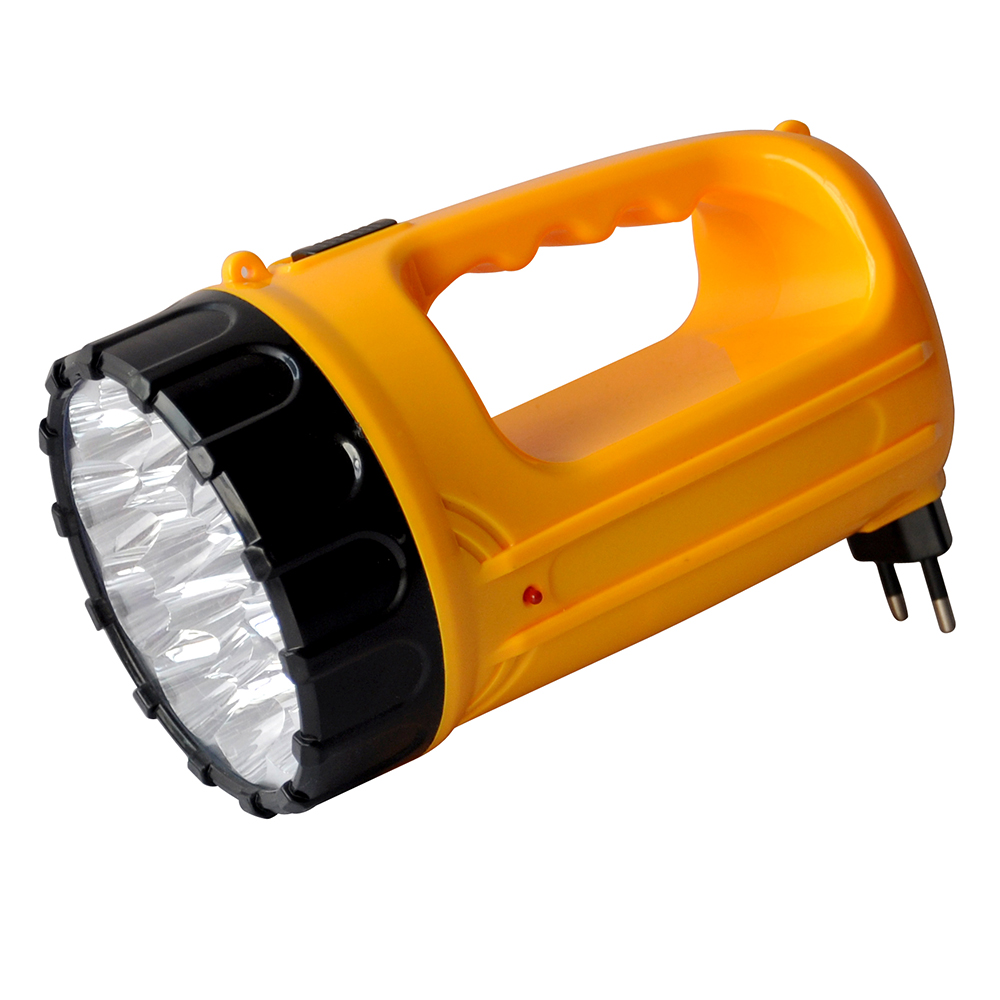
Brazil Standard Plug LED Flashlight: Plug Types, Voltage and Import Notes
What "Brazil standard plug" means for a rechargeable torch: NBR 14136 two-pin geometry, 127 V versus 220 V, HS 8513.10, INMETRO scope questions and the packing details Brazilian buyers check.
- The Brazilian plug is a two-pin round plug under NBR 14136, rated 10 A with 4.0 mm pins and 20 A with 4.8 mm pins, in a recessed socket.
- Brazil is not a single-voltage market: 127 V dominates São Paulo and Rio, 220 V dominates the Northeast and much of the South.
OEM vs ODM Flashlights: What a Sample-Based Custom Program Involves
The difference between OEM and ODM flashlights, the five stages of developing a torch from your sample, what drives tooling cost, who owns the mould, and what the factory needs from you.
- ODM: existing mould, your logo and packaging. Fast, low tooling, limited geometry changes.
- OEM: your housing, your driver and your packaging. Tooling and validation are on your side of the table.
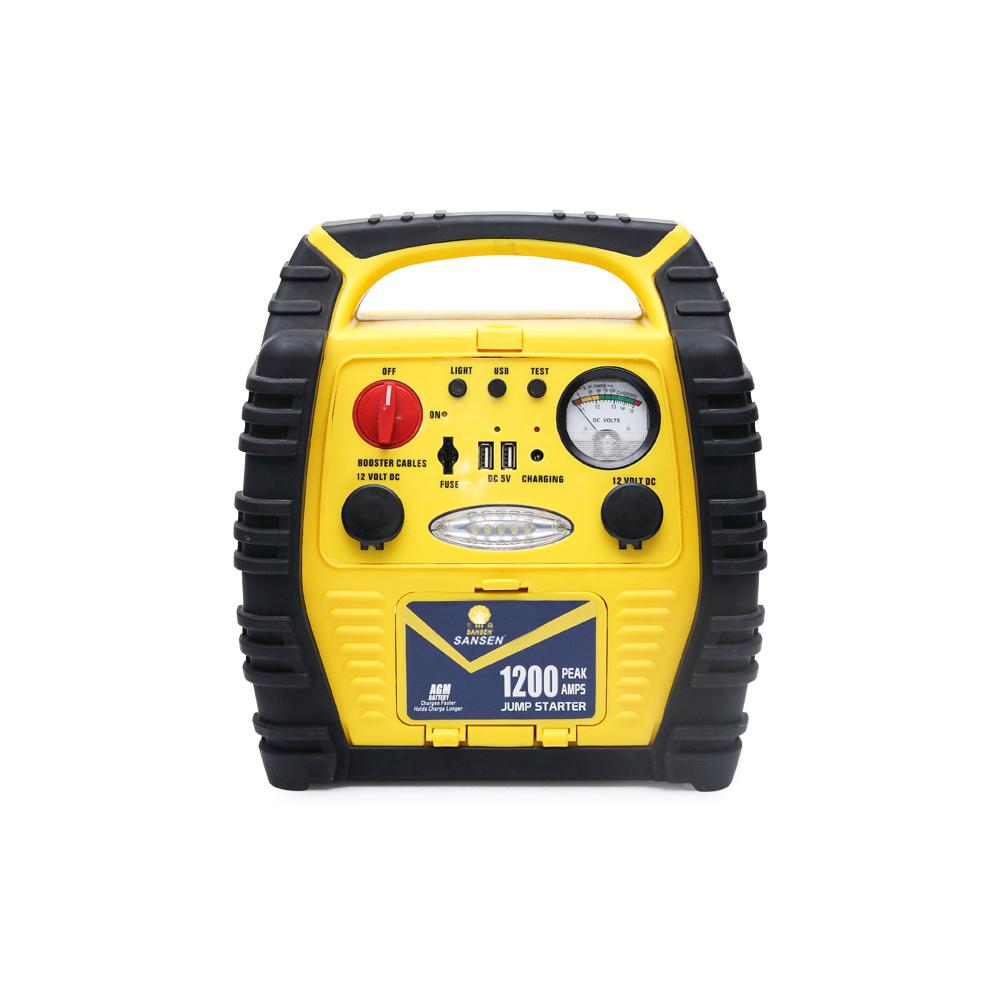
Sourcing Jump Starters and Tire Inflators from Ningbo: A Buyer's Guide
How to specify peak amps and battery capacity on a jump starter, AC/DC versus battery tire inflators, lithium shipping documents, and the quality gates to write into the purchase order.
- On a jump starter, peak amps is a marketing number. Ask for the battery capacity in Wh, the cell chemistry and the clamp cable cross-section.
- On a tire inflator, decide AC/DC, 12 V or battery first — the three are different products, not three versions of one.
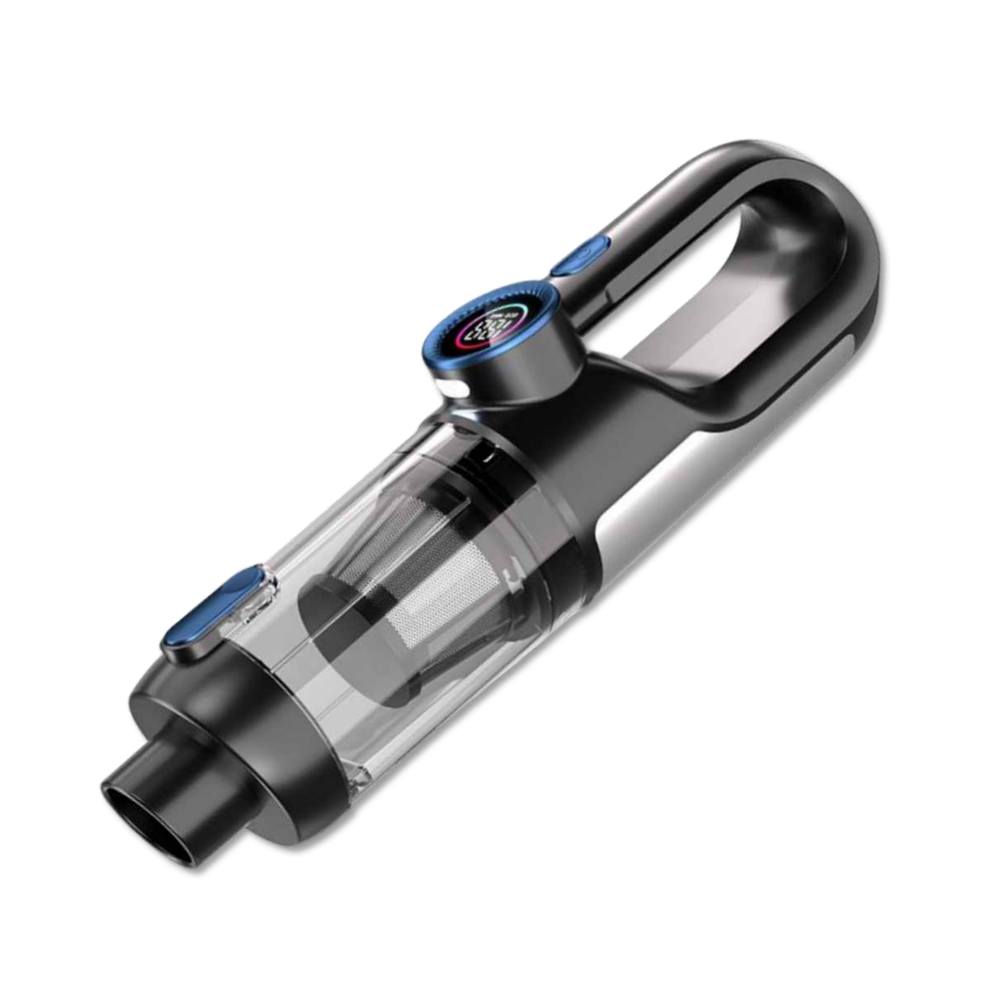
Car Vacuum Cleaners: Suction, Filtration and Noise — What to Check Before Ordering
How to read a car vacuum cleaner specification: brushed versus brushless motors, kPa figures that mean something, filtration stages, wet/dry capability, cable and accessory kit — plus the quality gates to write into the purchase order.
- Motor type is the first fork: brushed motors cost less and are acceptable at entry price points, while brushless motors run longer, quieter and with a longer service life.
- Compare suction in kPa or Pa at the same nozzle and the same gear, never motor wattage alone — two units with the same wattage can differ by more than double in measured suction.
From First Enquiry to Container: How an Order Actually Runs
The seven stages of a typical order with a Ningbo exporter: what to put in the first email, what a comparable quotation looks like, sample approval, the purchase order annex, production checks, pre-shipment inspection and freight documents.
- A first enquiry with model numbers, target market and quantity gets an accurate quotation; a "price list please" email gets a catalogue.
- Compare quotations on a fixed specification annex — LED count, battery capacity, plug standard, packaging — not on the model number alone.
Lead-Acid, NiMH or Lithium: Choosing the Battery for a Rechargeable Torch
The three battery chemistries used in rechargeable LED flashlights compared: capacity and weight, cycle life, charging behaviour, cold-weather performance, transport rules — and which chemistry suits which market and price point.
- Sealed lead-acid (4 V or 6 V): cheapest per capacity, forgiving of over-charge, heavy — the default for built-in-plug household torches.
- NiMH: no heavy metals, good cycle life, tolerant of partial charging, more expensive per capacity than lead-acid.
Jump Starter Specs Explained: Peak Amps, Starting Current and Battery Type
How to read a jump starter specification sheet before a bulk order: peak amps versus instant starting amps, lead-acid versus lithium packs, clamp and cable quality, protection circuits and the test evidence to request.
- Peak amps describe a short burst under a defined test condition. Instant starting amps describe what the unit can deliver to a starter motor. They are not interchangeable.
- Compare two units on the same basis: battery chemistry and capacity, starting current, clamp and cable, protection circuit, and the reference engine used in any performance claim.
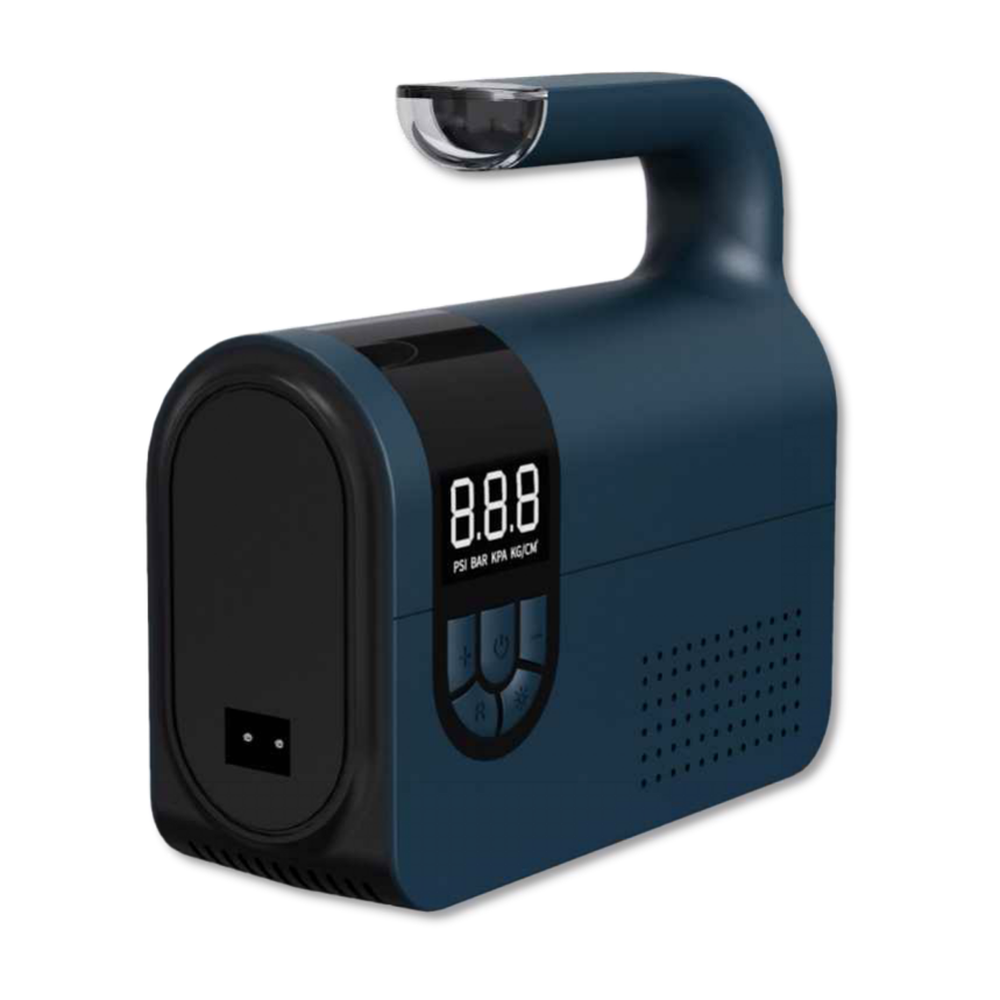
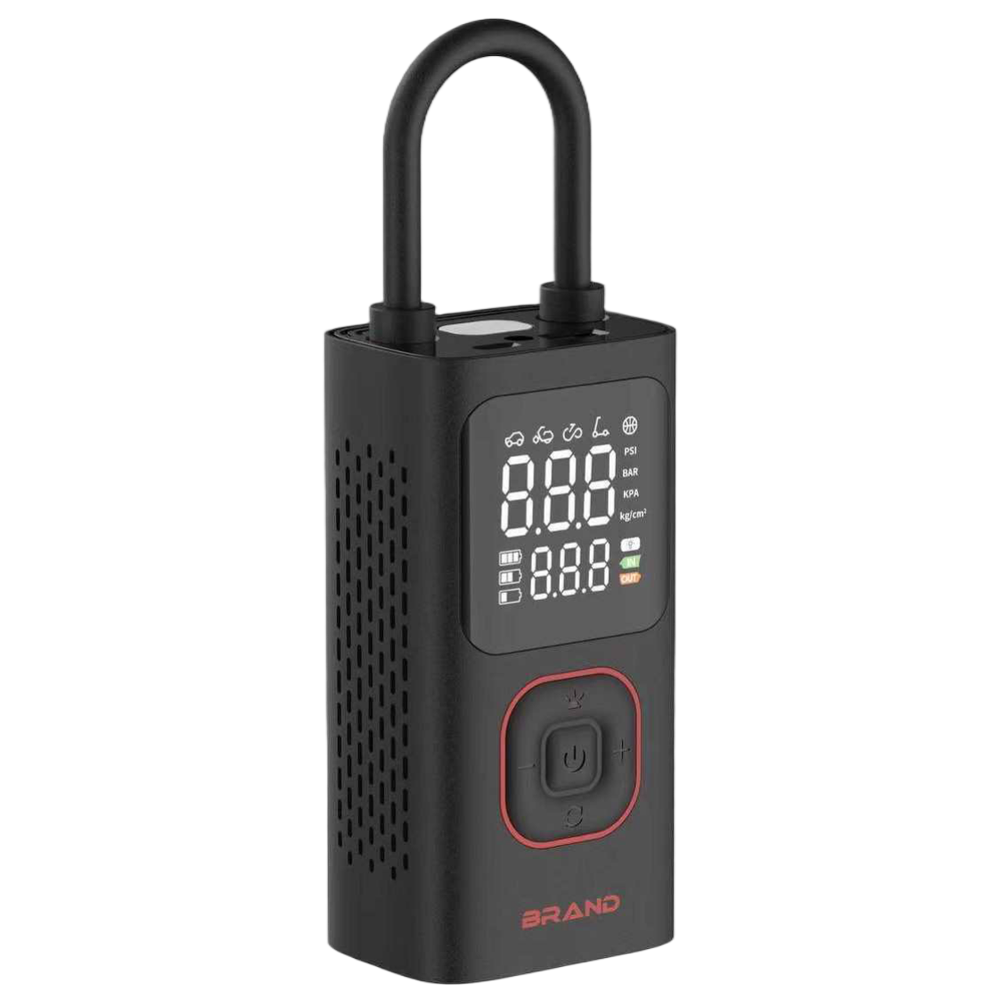
Portable Tire Inflator Specs: PSI, Inflation Time and Auto-Stop Explained
A buyer-level reading of portable tire inflator data sheets: pressure range, the reference tyre behind inflation time, cylinder diameter, duty cycle, auto-stop accuracy, power source and carton maths.
- Maximum PSI is a ceiling, not a speed. Insist on inflation time quoted against a named reference tyre and a starting pressure.
- Cylinder diameter, battery capacity and duty cycle together determine how many tyres a unit finishes before it needs a rest or a recharge.
Flashlight Lumens vs Runtime: How to Read a Spec Sheet Before You Order
What a rechargeable torch data sheet actually tells an importer: LED count, battery capacity, housing size, charging plug, beam pattern and how to turn a bench test into a written specification.
- LED count, battery capacity and housing size form one system. Changing any one of them changes the other two.
- Runtime is a curve, not a number: output falls as the pack discharges, and the useful figure is the time to a defined brightness level.
Roadside Emergency Kit Assortment: What Importers Bundle and Why
How to build a roadside emergency kit range from jump starters, tire inflators, rechargeable torches and car vacuums: three bundle architectures, channel fit, compatibility checks, packaging and carton maths.
- Build the range in three tiers — a single-problem item, a two-item kit, and a full roadside kit — so each channel has an entry and an upgrade.
- Combine SKUs by shared use case and shared charging logic, not by whatever happens to be in the catalogue.
Import Compliance Checklist by Market: Documents Buyers Actually Need
A document-first checklist for importers of rechargeable torches and car accessories: EU, UK, US, Brazil and battery transport paperwork, who issues what, and how to verify a report before you file it.
- Start with the importing entity and the destination market. The obligations sit with the party placing the product on that market, not with a factory catalogue.
- Ask for the test reports and declarations that apply to the exact model, plug and battery configuration you are buying.
Factory Video Audit and Pre-Shipment QC Checklist for Importers
A practical factory video call script and pre-shipment inspection checklist for rechargeable torches and car accessories: seven shots to request, sampling, defect classes, test records and a supplier scorecard.
- Ask for one continuous walk from incoming components to packed cartons. Edited clips and staged benches hide exactly the gaps you are trying to find.
- Agree the sampling plan, defect classes and pass criteria before production starts, not after the balance payment is due.
Winter Demand Planning for Jump Starters and Roadside Kits: A 12-Month Sourcing Calendar
A month-by-month sourcing calendar for importers of jump starters, tire inflators and roadside emergency kits: when cold-weather interest peaks, when to approve samples, when to book production and how to size safety stock for a short selling season.
- Work backwards from the first cold week, not from the date the enquiry arrives. Sample approval, certification checks, production and ocean transit each consume fixed weeks.
- A cold-weather claim is a specification question. Ask for starting-current test records at a stated ambient temperature, and check cable, clamp and cell behaviour at low temperature.
Car Emergency Demos That Convert: A Creator Brief and Asset Kit for Importers
A practical brief for short-form car emergency videos: how to structure the first three seconds, which product claims survive scrutiny, how to brief creators without creating compliance problems, and what asset kit a supplier should ship with the goods.
- Open on the failure, not on the product. The first three seconds need a problem the viewer recognises and a visible consequence.
- Every number spoken on camera must exist on the specification sheet and in a test record for the exact model shown.
What Independent Testers Actually Measure: Building a Spec Sheet That Survives a Teardown
How importers can build a specification sheet that holds up to independent bench tests, teardown videos and comparison reviews: measured quantities, test conditions, tolerances, raw records and a chaptered evidence script that third parties can quote.
- A number without conditions is not a claim that can be checked. Every performance figure needs a method, a load, an ambient condition and a model number.
- Reviewers measure sustained behaviour over repeated cycles, not a single best-case peak. Build your evidence around the same thing.
Shipping Lithium Jump Starters and Work Lights: UN38.3, 30% SoC and IATA Packing Instructions
An importer-level explanation of lithium battery shipping from China: UN3480 versus UN3481, UN38.3 test summaries, state-of-charge limits for air freight, packing instructions, dangerous-goods declarations and which documents the factory, lab and forwarder each issue.
- Establish first whether the batteries ship alone, packed with equipment or contained in equipment. That determines the UN number and the packing instruction.
- A UN38.3 test summary is a model-level document. Check that its model, cell and watt-hour figures match the goods in the carton.
HS Codes for Jump Starters, Tire Inflators and LED Flashlights: 8507.60, 8504.40 and 8513.10
How importers should approach tariff classification for multi-function car emergency electronics: principal-function reasoning, the headings that commonly arise, binding rulings, what classification changes in the landed cost and which invoice fields the supplier must supply.
- Classify the product you are actually shipping, including its bundled accessories, not the family name on the catalogue.
- Multi-function devices are commonly argued over on the basis of principal function. Published customs rulings are the most useful evidence of how an authority reasons.
How to Verify CE, UKCA and FCC Certificates Before You Pay the Deposit
A document-first checklist for importers of rechargeable torches and car electronics: what a declaration of conformity actually covers, how to check a test report against the exact model and BOM, how to look up an FCC ID, when the importer becomes the manufacturer, and how to write evidence into the order.
- Separate four things that are often confused: a test report, a certificate, a declaration of conformity and the technical file behind them.
- Match every report to the exact model, configuration revision and bill of materials of the goods being quoted.
FOB vs DDP for Car Emergency Electronics: A Landed-Cost Model and an MOQ Negotiation Script
A numeric framework for importers comparing EXW, FOB, CIF and DDP on a container of rechargeable torches, jump starters and inflators: which costs sit where, where a DDP quote hides its margin, how to structure a first order and how to negotiate MOQ without losing the specification.
- Put every term into the same landed-cost table before comparing prices. A unit price is not a cost.
- DDP buys simplicity at the price of visibility. Ask for a line-item breakdown and clarify who is the importer of record.
Warranty, Spare Parts and Reverse Logistics Clauses to Agree Before the First Container
How importers should write after-sales obligations into an OEM agreement for rechargeable torches and car emergency electronics: warranty service terms, spare parts planning, lithium battery returns, defect definitions, batch traceability and recall responsibilities.
- Write a warranty service agreement as an operational document: what is covered, what evidence is required, who pays freight and how a claim is settled.
- Order spare parts and a small replacement pool with the first container, sized from the failure modes you expect rather than from a percentage copied from another category.
Have a product you want built to your market?
Send a sample, drawing or 3D file and we will come back with tooling, unit price, MOQ and lead time.
Send a sample enquiry