LED Flashlights & Automotive Accessories · Ningbo, China · sales@karlead.com

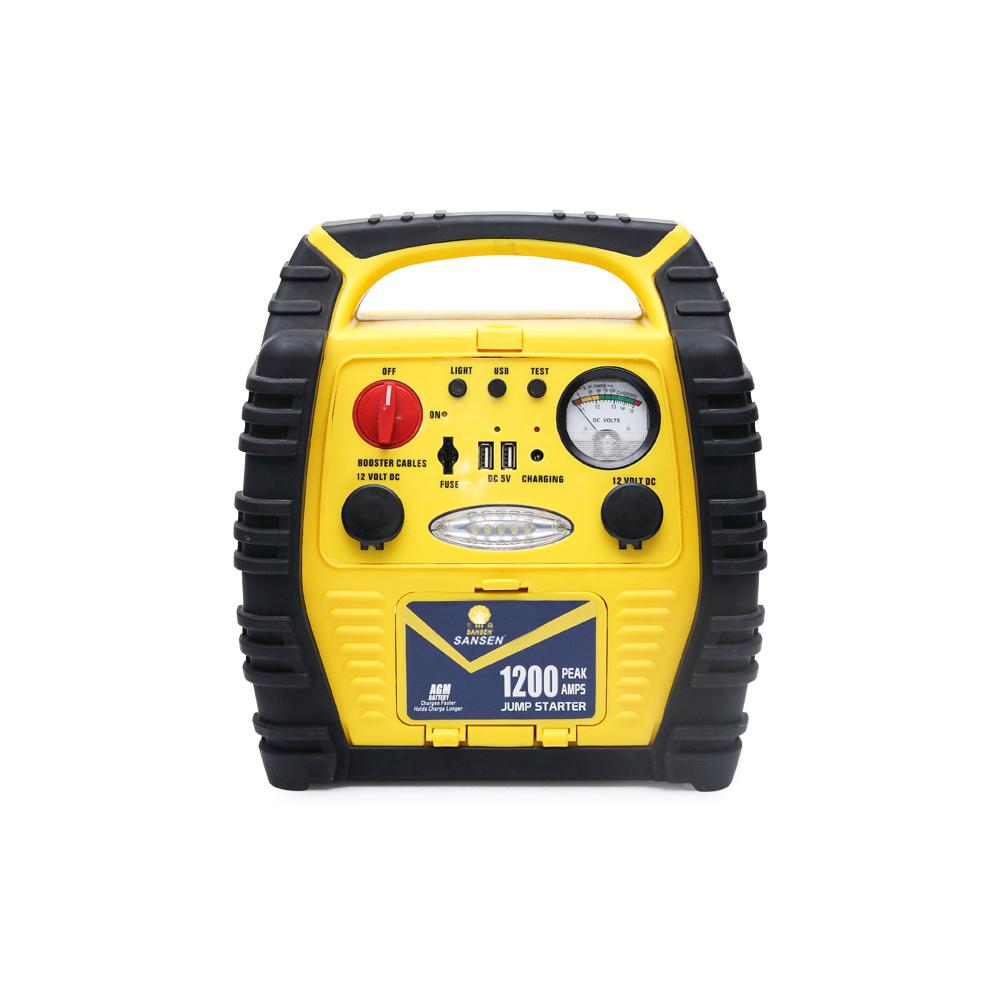
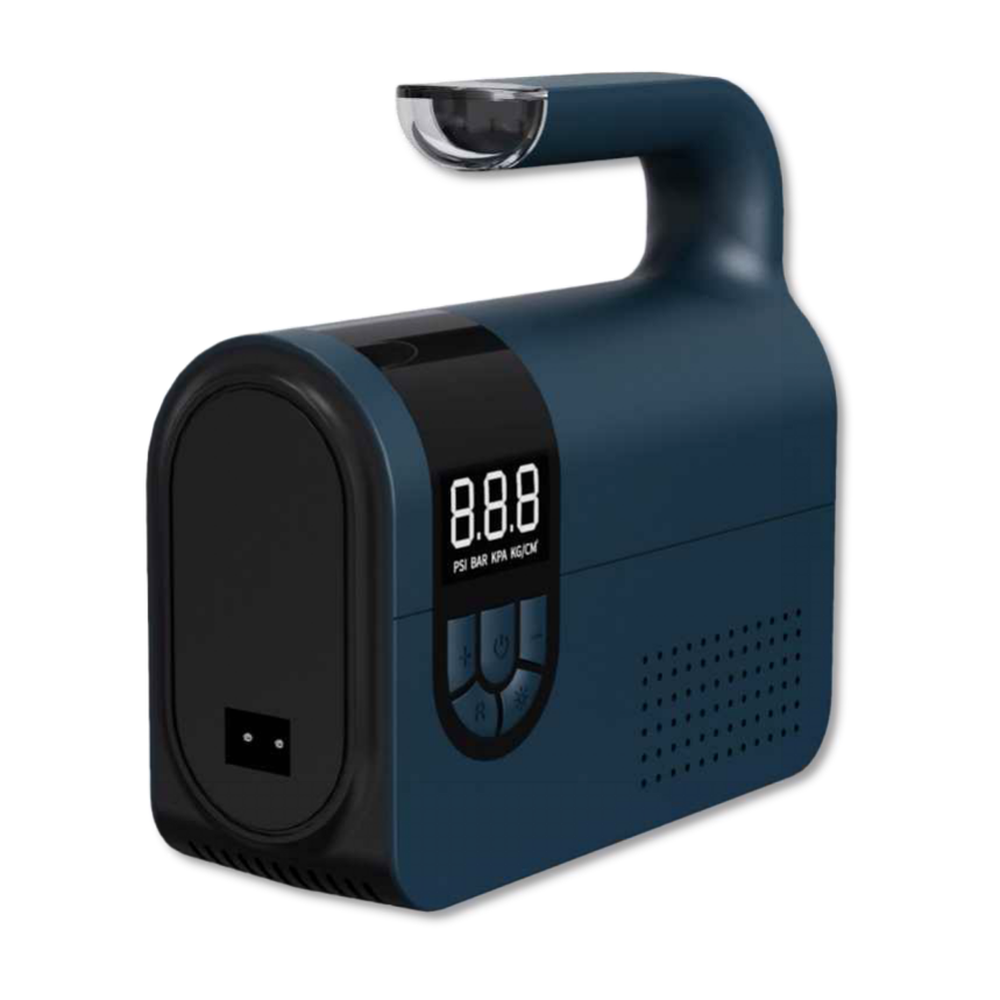
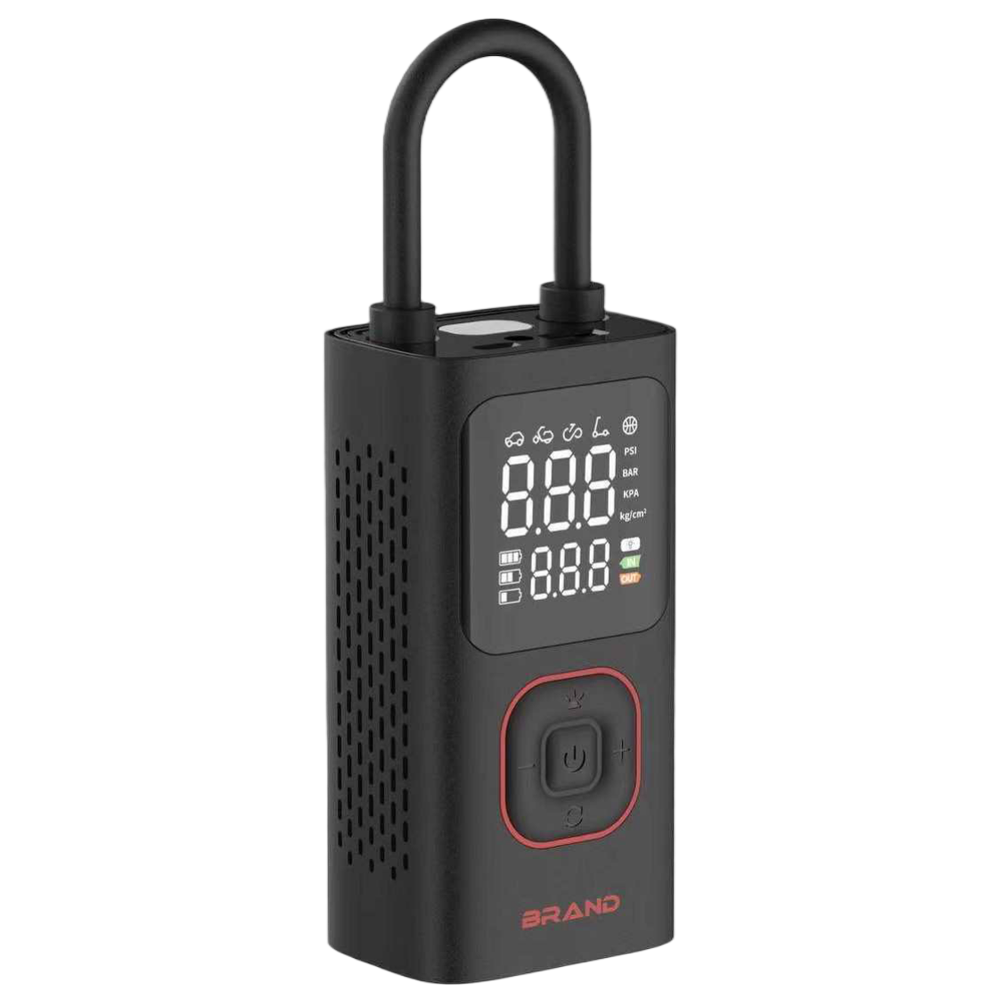
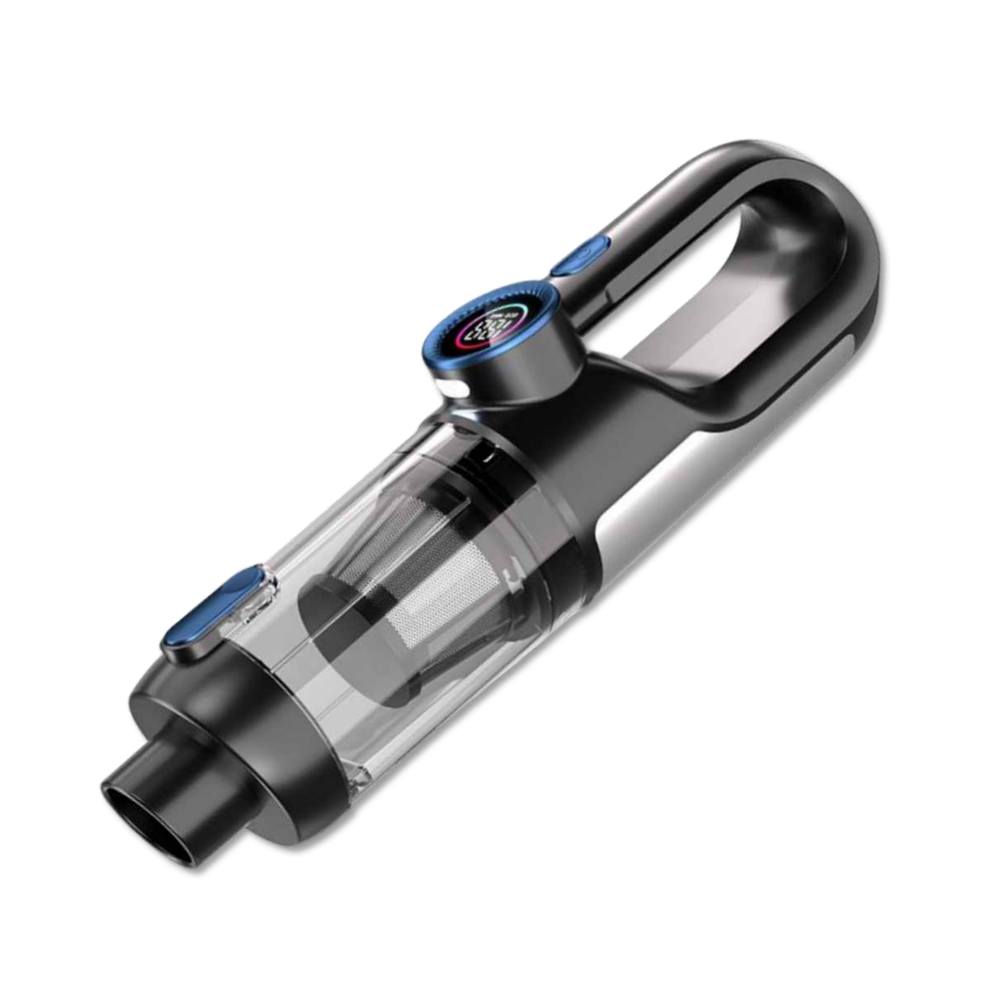
Shop by Category: Torches, Jump Starters, Inflators & Car Care

Swipe left to see all 8 categories →

From first enquiry to container: how an order with a Chinese exporter actually runs

Most sourcing guides stop at "find a supplier". The order itself — from the first email to the container leaving port — is where timelines and specifications are won or lost. This is the sequence we work through with buyers, written as the checklist to run your own order against, wherever you buy.

The short answer

  • A first enquiry with model numbers, target market and quantity gets an accurate quotation; a "price list please" email gets a catalogue.
  • Compare quotations on a fixed specification annex — LED count, battery capacity, plug standard, packaging — not on the model number alone.
  • Sample approval should end with a sealed golden sample held by both sides, not an email saying the sample is fine.
  • The purchase order annex, not the email thread, is the document production works from: attach the specification, artwork and test requirements to the PO itself.

Stage 1 — the first email

The single biggest accelerator is a specific first message. It needs five elements: the model numbers or the product type, the destination market, the target quantity for the first run, the packaging intent (neutral or retail), and whether you need your brand applied. With those five, a supplier can quote tooling, unit price, MOQ and lead time in one reply. Without them, you get a price list and a week of clarifying emails.

Stage 2 — reading the quotation

A quotation you can compare states the specification next to the price: battery capacity, LED count or motor type, plug standard, packaging version, carton quantity and carton dimensions. If two quotations differ by more than about 10% on the same model number, the difference is almost never efficiency — it is a different battery, a different motor or a different box. Reply by fixing the specification and asking both suppliers to re-quote against it.

Quotation lineWhat it should stateWhy it matters later
Unit priceAgainst a stated specification, EXW or FOB named portThe basis of every later comparison
MOQPer model, per colour, per packaging versionDetermines whether the first order is feasible
ToolingSeparate lines for mould, plug insert, print platesShows what you own and what you pay again later
Lead timeSplit: sample days, production days, booking windowOne total number hides where delays happen
Carton dataQty/ctn, carton size, gross weightYou, not the supplier, pay for the container math
Print this column into your quotation template. Every line left vague becomes a negotiation later.

Stage 3 — sample and golden sample

Ask for a sample pulled from a production batch rather than the sample room, and check it against the specification sheet: count the lit LEDs in a dark room, time a full charge, measure the beam or suction. If the sample passes, seal it. A golden sample — dated, signed by both sides, labelled with the LED count, battery capacity, plug standard, housing colour and packaging version — is the reference that production and any later dispute are measured against. Photos are not a specification.

Stage 4 — the purchase order and its annex

The PO itself is usually short. The annex is where the order is actually defined: the agreed specification, the golden sample reference, artwork files and print proofs, the language of labels and manuals, the test records to be provided, and the packing details. Production teams work from the annex — an instruction that lives only in an email thread three weeks old does not reach the line.

Stage 5 — during production

  • Ask for photos at first-article stage — the first units off the line — while there is still time to correct a colour or a print.
  • Confirm the battery lot: for repeat orders the cell supplier is the component most often substituted between runs.
  • For printed packaging, approve a physical print proof, not a PDF, because colour on screen and colour on corrugate are different materials.

Stage 6 — pre-shipment inspection

The inspection standard should be agreed in the annex: AQL levels, what counts as a defect, and the records to be handed over — incoming battery inspection, 100% function and charging test, carton drop or stacking record, and for lithium products the UN38.3 summary and MSDS for the exact pack. Inspect against the golden sample, with photos of the actual cartons, labels and pallet build.

Stage 7 — booking and documents

Book freight only after the inspection records are in hand. The document set for a typical order is the commercial invoice, packing list, bill of lading, and any certificates your market or carrier requires. Lithium products add the transport documents above; state-of-charge rules for air freight are set by the carrier, not the factory. For repeat orders, re-confirm the specification annex each time — it is cheaper than discovering a substituted component at your warehouse.

Send a sample, a drawing or a 3D file with your target market and quantity, and the quotation comes back with tooling, unit price, MOQ and lead time stated separately.

Frequently asked questions

What should the first email to a Chinese supplier contain?

Model numbers or the product type, the destination market, the first-run quantity, the packaging intent — neutral box or printed retail — and whether your brand is applied. With those five elements the supplier can quote unit price, MOQ, tooling and lead time in one reply; without them you exchange clarifying emails for a week.

Why do two suppliers quote the same product at very different prices?

Because the model number is not the specification. One quotation may include a different battery capacity, a different motor or filter, a printed box instead of a neutral one, or a different plug. Fix the specification — LED count, battery, plug standard, packaging — into an annex and ask both suppliers to re-quote against it. Most of the gap then disappears, and what remains is a real commercial difference.

What is a golden sample and do I need one?

A golden sample is a sealed, dated unit signed by both sides and labelled with the agreed specification — LED count, battery capacity, plug standard, housing colour, packaging version. You need one for any order where the specification matters, because production and disputes are both resolved against it. Photos of a sample are not a substitute.

How long does a first order take from enquiry to shipment?

For existing models with neutral or lightly branded packaging, the timeline is dominated by sample approval, production and sea freight — typically quoted in weeks. Custom tooling, custom packaging and sample-based development each add their own stage before production starts. Ask for the schedule split into sample, tooling, production and booking so you can see where the time actually goes.

What documents come with the shipment?

The standard set is the commercial invoice, the packing list and the bill of lading. Depending on the market and the carrier you may add certificates of origin or product test records. Lithium products add the UN38.3 test summary and MSDS for the exact pack. Agree the document list in the purchase order annex, not at booking time.

Should I inspect the goods before shipment?

Yes, either with your own inspector, a third party, or the factory records you agreed in advance. The inspection should be against the golden sample with an agreed AQL, and should verify function on a sample basis, the packing and labelling, and the presence of the test records. The point is not to catch the factory cheating — it is to catch an assembly error while it is still cheap to fix.

Can I mix different products in one container?

Yes. Buyers commonly combine flashlights with automotive accessories to fill a container, and MOQ is quoted per model rather than for the shipment as a whole. Ask for the packing list with carton dimensions and gross weight per model so you can plan the load before ordering.

Need this quoted for your market?

Tell us the model, the destination and the plug standard. We reply with tooling, unit price, MOQ and lead time.

Contact us