


Start with the importing entity, not the factory
A manufacturer can supply test data, a technical file, a material declaration or a signed sample, but the legal act of placing a product on a market belongs to the importer or the brand owner in that market. That distinction matters because the document set is defined by the destination, the product configuration and the sales channel — not by a general "we can export anywhere" answer.
Write three facts at the top of your checklist: destination country, the exact model and plug or battery configuration, and who will be the importer of record. Everything else follows from those three lines.
Documents buyers commonly ask for, by market
| Market | Typical document set buyers ask about | What to verify on each document |
|---|---|---|
| European Union | CE declaration of conformity and the technical file behind it, EMC and low-voltage test reports where applicable, RoHS and REACH material information, WEEE and battery registration where relevant | Model number, date, the standards referenced, and whether the file covers the plug and battery version you ordered |
| United Kingdom | UKCA marking where it applies, a UK declaration of conformity, and the supporting test reports | Whether the report was issued for the exact configuration and whether a UK responsible party is named |
| United States | FCC evidence for products with electronics or switching chargers, HTS classification, and any UL or ETL listing your channel requires | The FCC identifier or report scope, and the tariff classification your broker will actually use |
| Brazil | Plug and voltage conformity to NBR 14136, INMETRO scope questions for the product class, Portuguese labelling and the import documentation | Pin geometry, 127 V versus 220 V, Portuguese manual, and the HS classification |
| Other markets | Local plug standard, local-language manual, and the market-specific registration your importer of record names | Ask the importer of record to confirm the list in writing before artwork approval |
Battery transport is a separate workstream
| Step | Question to answer | Document that usually follows |
|---|---|---|
| 1. Identify chemistry | Is the pack sealed lead-acid, NiMH or lithium? | The model data sheet and the battery specification |
| 2. Identify configuration | Is the battery inside the product, packed with it, or shipped alone? | The packing instruction your forwarder applies |
| 3. Identify transport mode | Air, sea, courier, or a combination? | Carrier-specific document list |
| 4. Collect evidence | Does the supplier have a test summary for this pack? | UN38.3 test summary and MSDS for lithium; MSDS for other chemistries |
| 5. Check labelling | Do the carton marks and the outer packaging match the declaration? | Carton marking photo kept with the shipment file |
Plugs, voltage and label artwork
- Put the plug standard and mains voltage on the quotation. Physical fit is not compliance.
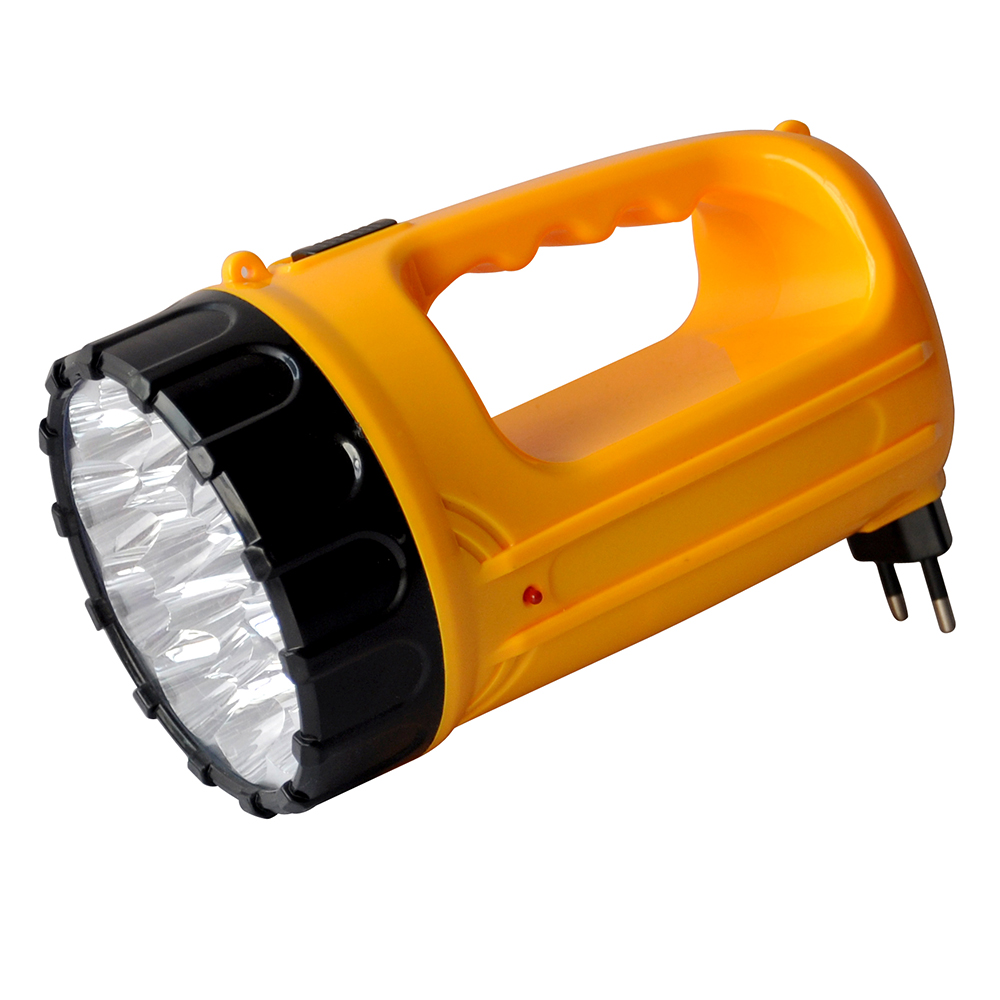
- For Brazil, confirm the 127 V or 220 V destination and the NBR 14136 two-pin geometry. The AT-608, AT-611 and AT-615 data sheets specify a built-in Brazil-standard 2-pin AC plug.
- Check the rating label artwork: model number, input voltage, battery chemistry, symbols and the importer details required in the destination.
- Confirm the manual language and the warning text on the retail box before print proofing. Reprinting a retail box is more expensive than agreeing the text early.
- Ask for the barcode or GTIN assignment and who owns it, especially for retail chains.
How to check a report before you file it
- Match the model number and the configuration on the report to the proforma invoice, including the plug and battery version.
- Check the date and the issuing body. An old report for a similar model is not evidence for your order.
- Read the scope and the standards referenced, then ask your compliance adviser whether they cover the product class.
- Look for missing annexes, blank pages or a different company name on the test sample description.
- File the report with the golden sample reference, the quotation revision and the artwork version so a later audit can reconstruct the decision.
Who provides what, and who signs what
| Item | Typically supplied by | Typically signed or filed by |
|---|---|---|
| Test reports for the model configuration | The supplier or the test laboratory | The importer of record keeps them in the technical file |
| Declaration of conformity | The party placing the product on the market | The importer or brand owner in that market |
| Battery transport documents | The cell or pack supplier, via the product supplier | The forwarder and the shipper |
| Customs classification and duty | The customs broker | The importer of record |
| Retail artwork, warnings and manual | The brand owner, printed by the supplier | The brand owner approves the print proof |
Writing the document set into the purchase order
List the documents as deliverables with a due date, in the same section of the purchase order as the golden sample and the packing specification. State which documents must arrive before the balance payment, and which travel with the shipment. Then a missing report is a contractual gap rather than a last-minute negotiation.