What do independent testers measure that a catalogue does not?
They measure behaviour under a stated load, repeated until it degrades. A catalogue usually reports a ceiling: maximum current, maximum pressure, maximum lumen output. A bench test asks what happens on the fifth attempt, at a stated temperature, with the cable and clamp that actually ship, and whether the housing still works afterwards. The gap between those two views is where most disputes and most negative reviews originate.
| Product | Catalogue figure | What a bench test actually does | Evidence to hold on file |
|---|---|---|---|
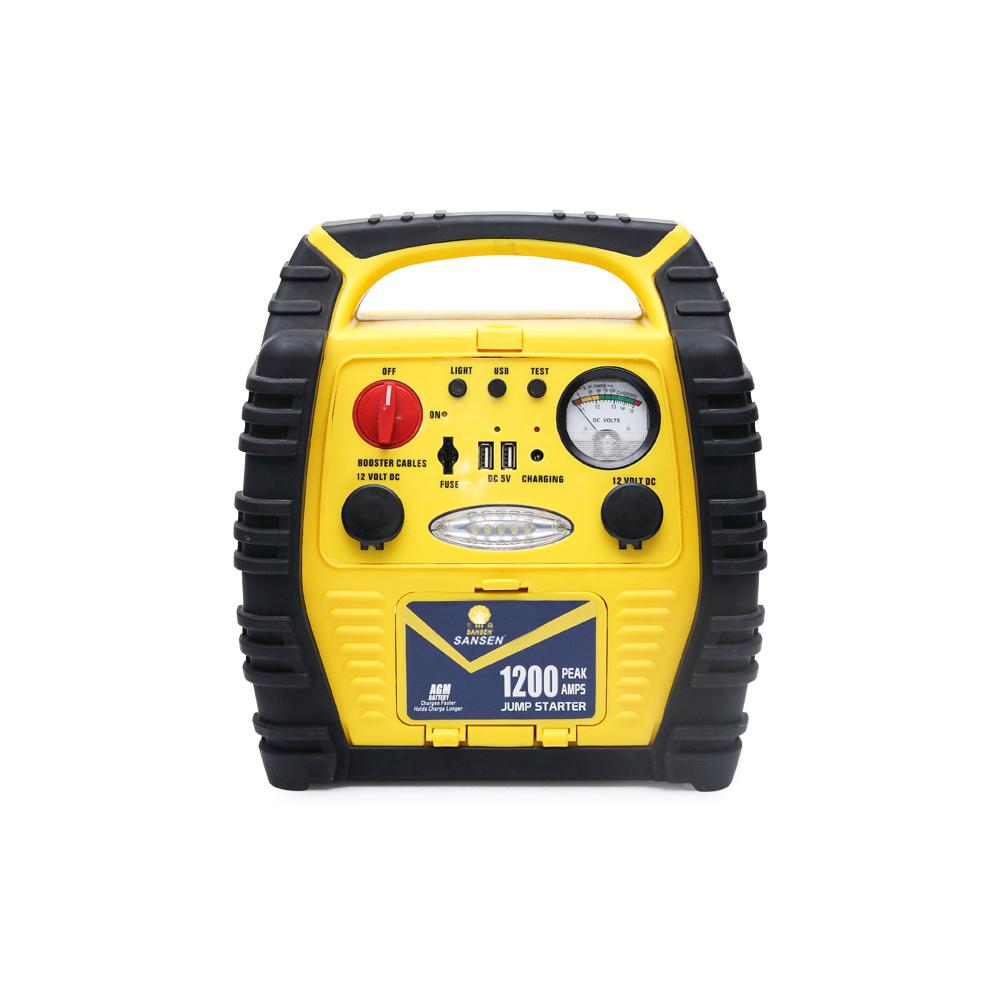
| Jump starter | Peak amps | Repeated starts on a stated engine or load at a stated temperature, with voltage recorded | Start log with ambient temperature, state of charge, attempt count and clamp type |
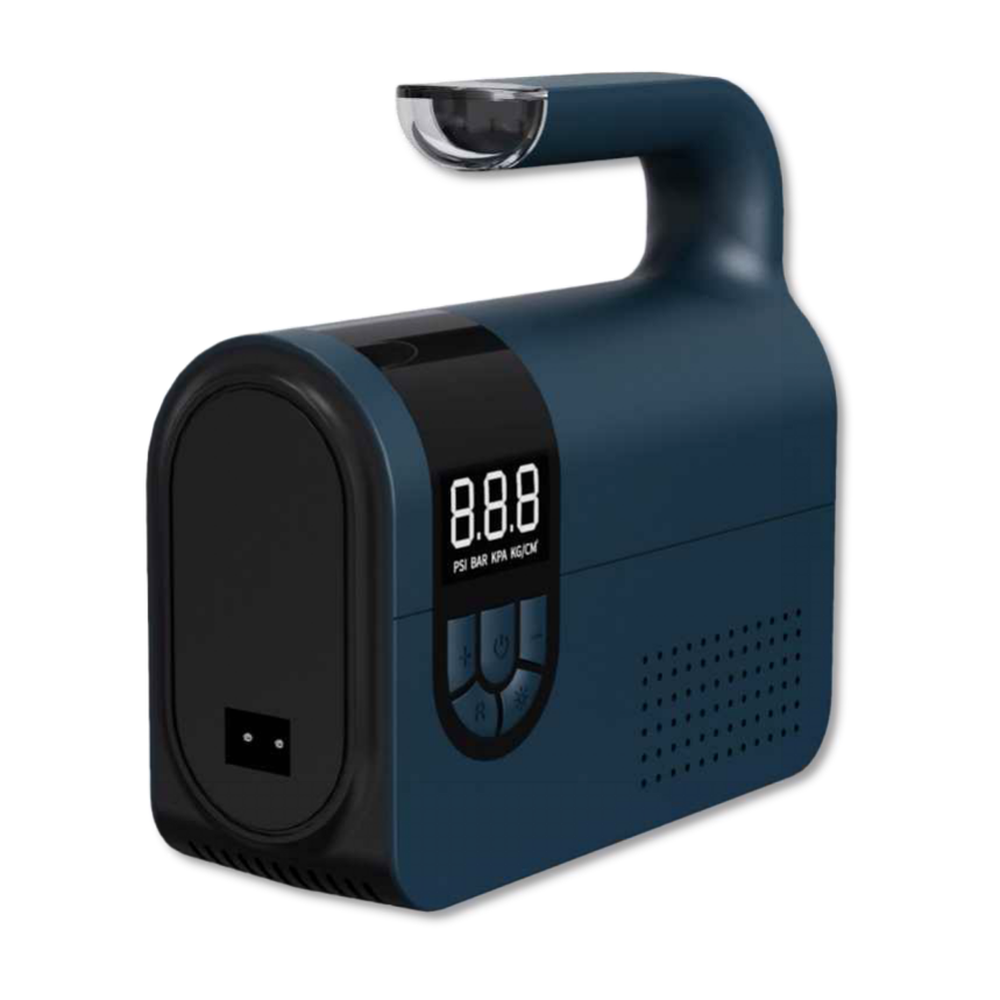
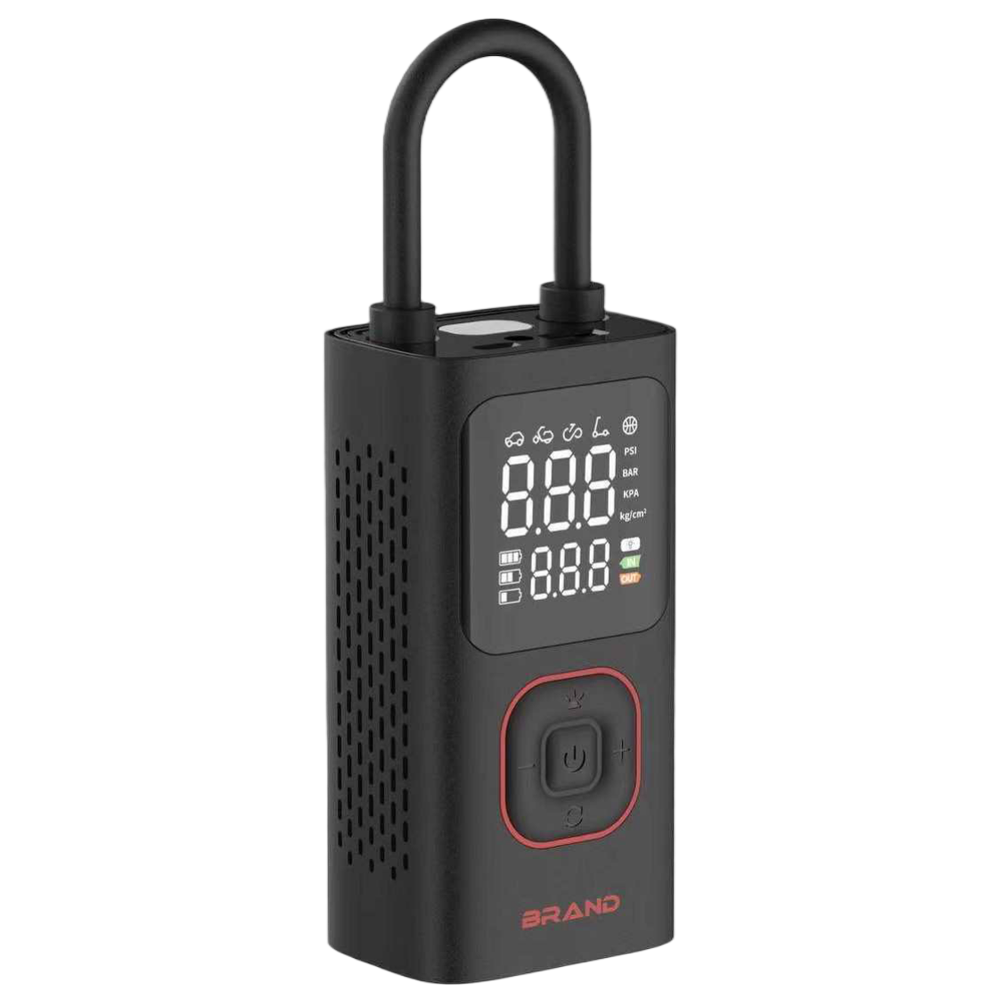
| Tire inflator | Maximum PSI | Time from a stated start pressure to a stated target on a named reference tyre, plus auto-stop accuracy | Timed run record with tyre size, start and target pressure, and the cutoff reading |
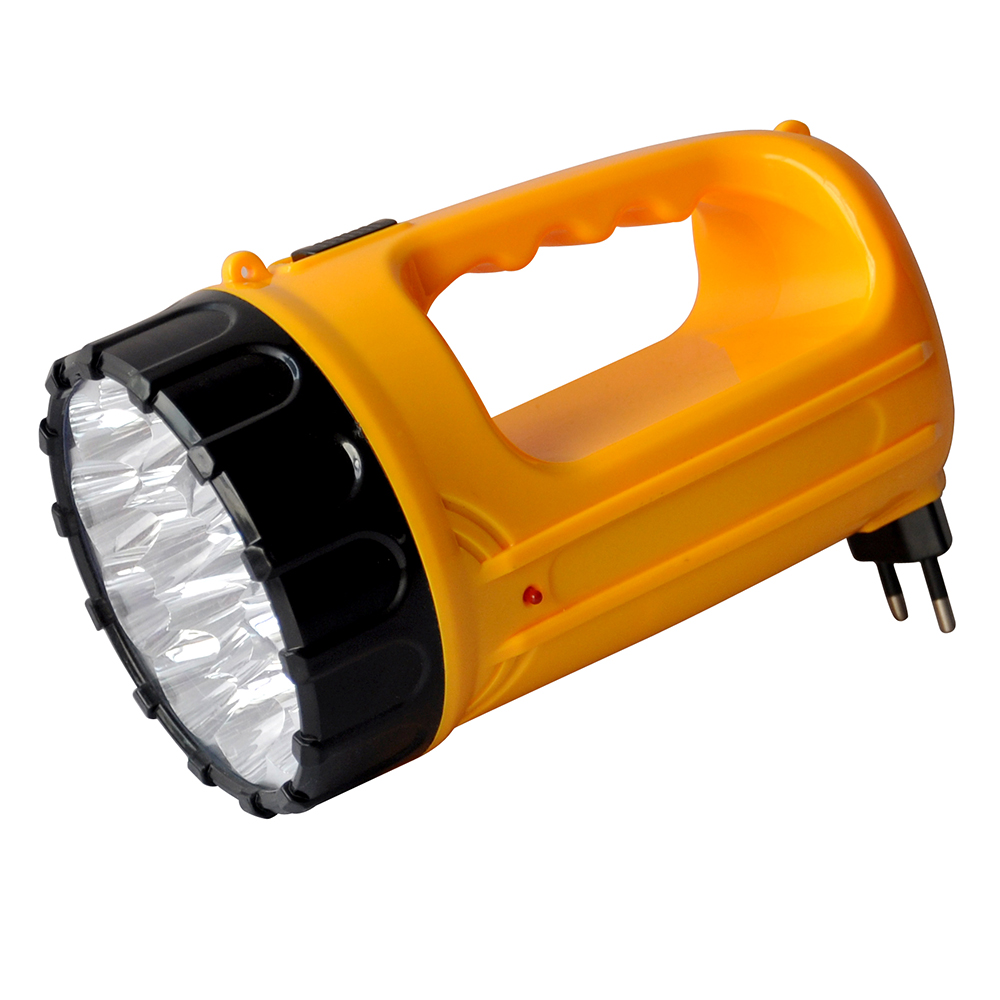
| Rechargeable torch | Maximum lumens | Output at switch-on and at intervals, until the stated runtime ends | Output-over-time record with the measurement distance and the mode used |
| Any lithium product | Battery capacity | Capacity in Wh, cell traceability and protection behaviour | Cell datasheet, pack test record and a teardown photograph of the exact assembly |
Why do two identical-looking units score differently?
Because the housing is not the product. Cell grade and internal resistance, cable gauge, clamp material, driver or regulator settings, thermal protection thresholds and firmware cutoff points all change measured behaviour while leaving the outer shape unchanged. A silent component substitution between a sample and a production run is the single most damaging version of this problem, because the review of the sample becomes an unintentionally false description of the goods in the carton.
- Tie the approved sample to a written configuration list: cell model, cable gauge, clamp, driver, protection board, firmware version and artwork revision.
- Keep a retained, sealed sample from the production batch and record its carton and batch reference.
- Require written notice before any component substitution, with a fresh test record for the changed configuration.
How should a supplier document a performance claim?
As a short record that a third party could reproduce. That means the exact model and batch, the test condition, the instrument or load used, the measured result, the date, and the name of the person or lab responsible. A screenshot of a marketing slide is not a record; a dated one-page test sheet with a reference number is. Ask for the raw numbers rather than a pass or fail line, because a reviewer will quote the distribution, not the verdict.
| Field | What it must say | Common failure |
|---|---|---|
| Model and batch | Exact SKU, configuration revision and production batch | A report for a similar model in the same housing |
| Condition | Ambient temperature, state of charge, load and equipment used | No temperature or no reference tyre |
| Result | Measured values with units, including repeat attempts | A single best-case figure with no spread |
| Method | Steps in the order performed, including any warm-up or rest period | Unstated preconditions that flatter the result |
| Traceability | Date, operator or lab, instrument identifier, report number | Undated summary with no contactable issuer |
What is a defensible tolerance between a claim and a measured result?
Agree the tolerance before the order and write it into the purchase order annex. A claim should describe a typical result under the stated condition, with a declared acceptable band, rather than the best unit ever measured. For example, an inflation-time claim should name the reference tyre, the start and target pressures and an upper bound; a runtime claim should name the output mode and the cutoff criterion. When an independent reviewer measures inside that band, the published claim remains accurate and the clip becomes supporting evidence rather than a contradiction.
How do you turn the evidence into a chaptered demonstration script?
Structure the demonstration the way a reviewer structures a comparison: state the question, declare the conditions, run the test, show the result, and compare against the specification card. Four to eight short chapters are enough. This format is easy for a viewer to navigate, easy for a distributor to reuse, and easy for a search engine or an answer engine to quote with a timestamp, because each chapter answers one question with a visible number.
| Chapter | Question answered | What is on screen | Evidence reference |
|---|---|---|---|
| 1 | What problem is being tested? | The failure case, no branding yet | Brief and shot list |
| 2 | Under what conditions? | Temperature, tyre size or engine, state of charge | Specification card condition lines |
| 3 | What is the setup? | Clamp order, preset pressure, output mode | Method section of the test record |
| 4 | What happens on the first run? | Unedited timed run | Raw result line |
| 5 | What happens on repeated runs? | Second and later attempts | Repeat-attempt values |
| 6 | Does it match the sheet? | Card held next to the measured value | Specification card and tolerance band |
| 7 | What does the buyer check on arrival? | Model number, carton, batch reference | Purchase order annex |
What should be written into the purchase order annex?
The annex is where evidence becomes a commercial obligation. List the approved configuration, the performance figures with their conditions and tolerances, the reports that must accompany the shipment, the retained-sample requirement, and the remedy if an independent check falls outside the agreed band. Name the batch and carton reference so that a specific unit in a review can be traced back to a specific production run.
- Configuration revision and the list of components that may not change without written notice.
- Claim table with condition, unit, target value and acceptable band.
- Documents due before shipment: test records, cell datasheet, packing and artwork proofs.
- Inspection and remedy: who re-tests, against what method, and what happens if the result is outside the band.