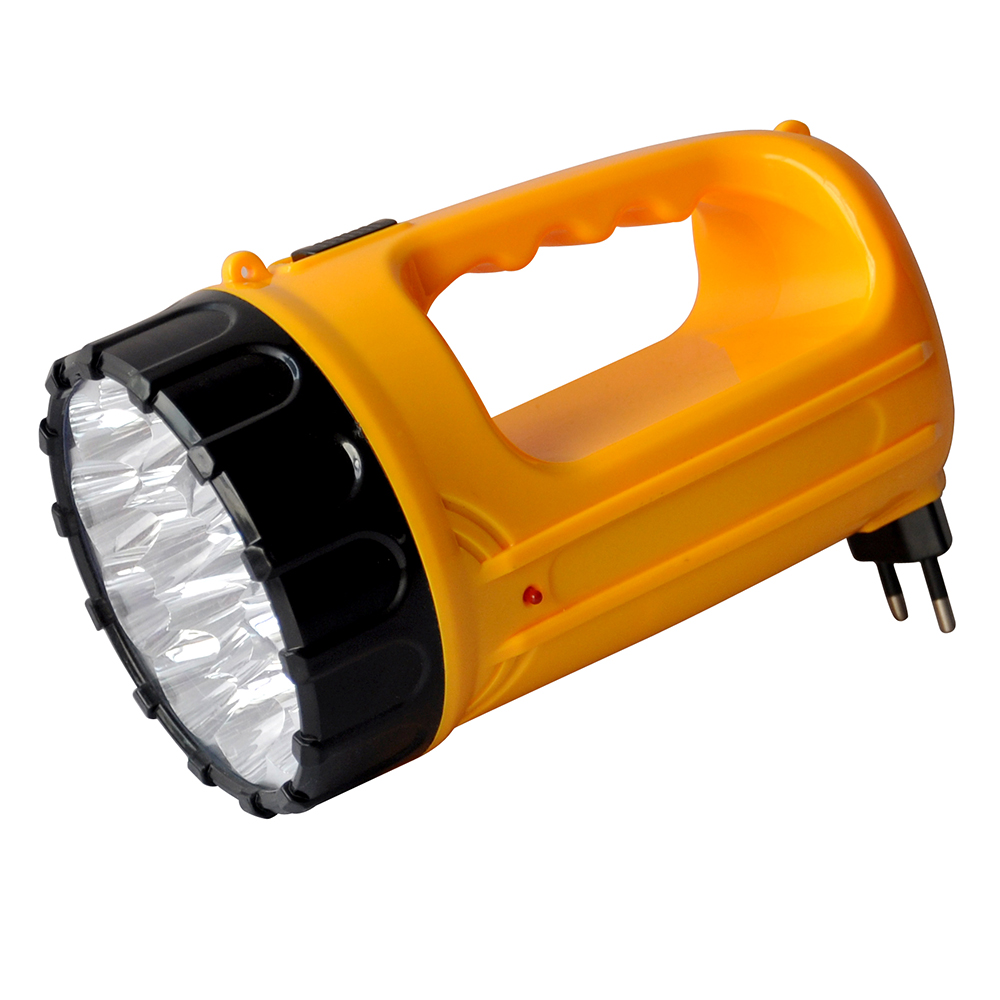
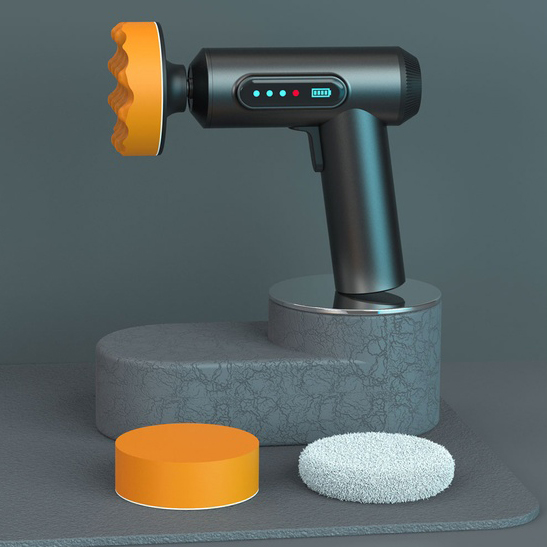
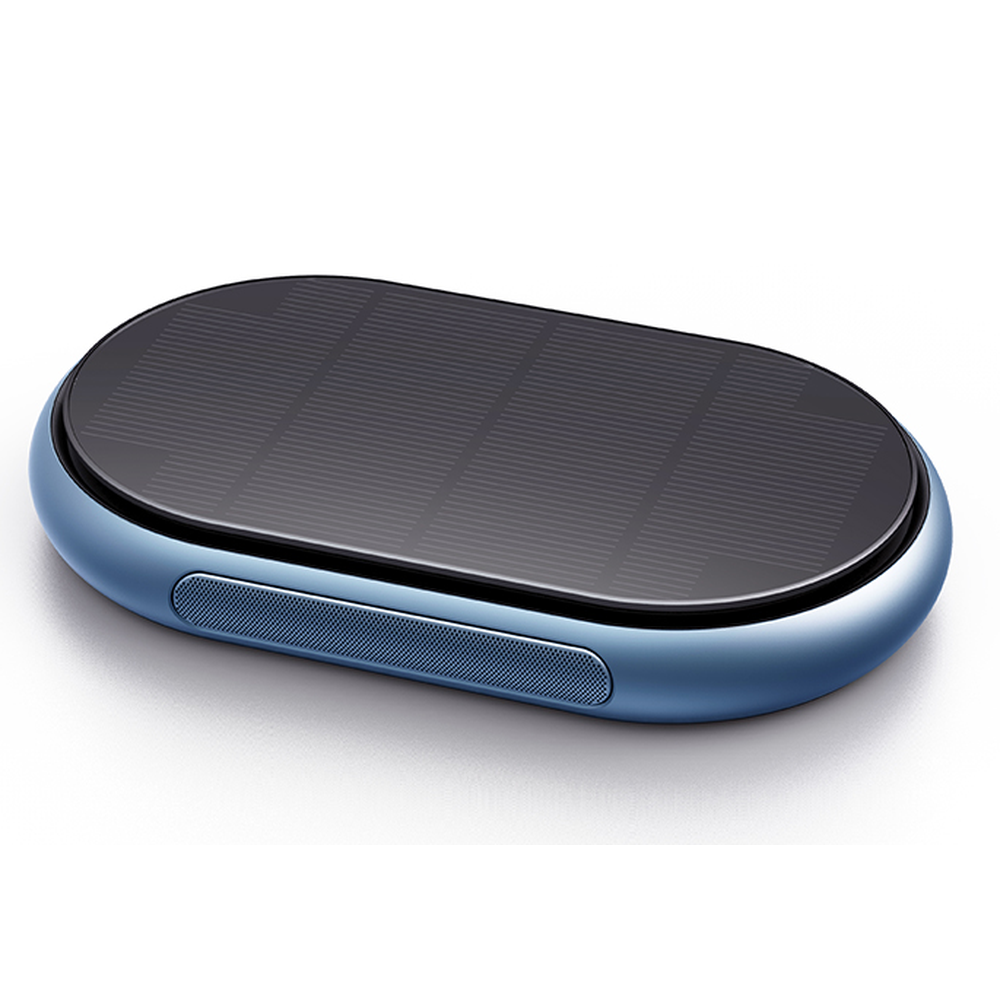
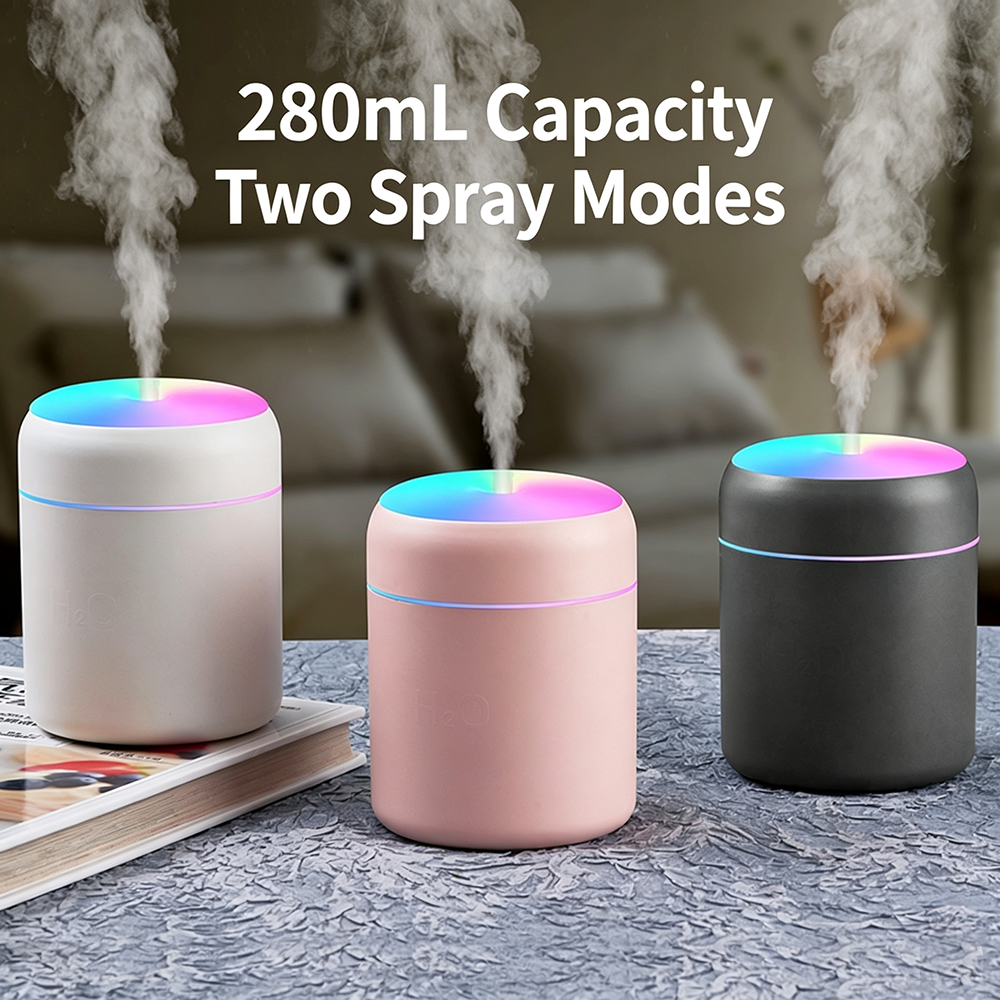
What is the three-second hook in a car emergency clip?
It is a visible problem with a visible consequence, shown before any branding. The viewer needs to understand the situation without audio and without a caption: a key turning with no start, a tyre visibly low, a torch beam failing to reach into a wheel arch. Only then does the product enter frame, and the demonstration has to end with an outcome the viewer can verify, such as the engine starting or the pressure reading settling at the target.
| Failure shown | Opening frame | Proof frame | Claim that is safe to make |
|---|---|---|---|
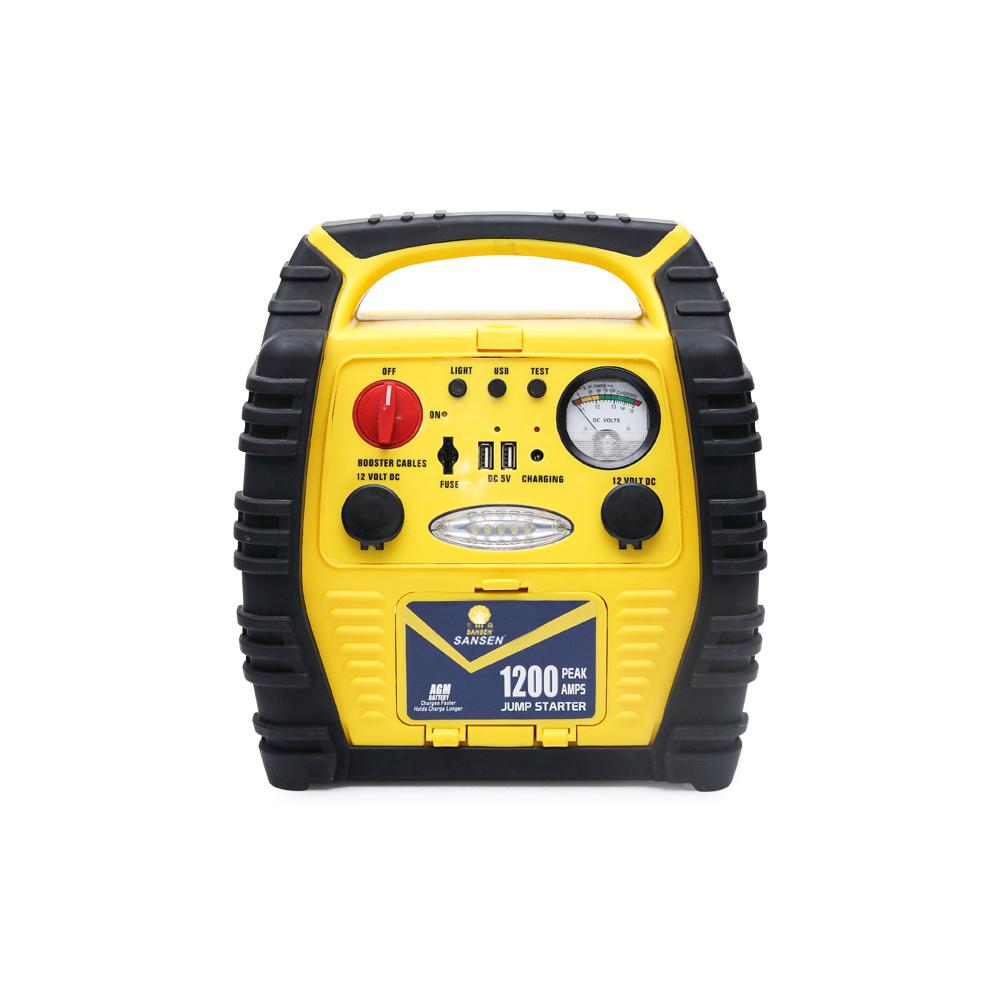
| Flat battery | Key turned, no start, dashboard lights | Engine starts, clamp still attached, unit screen visible | Starts the vehicle shown, at the temperature stated in the shot |
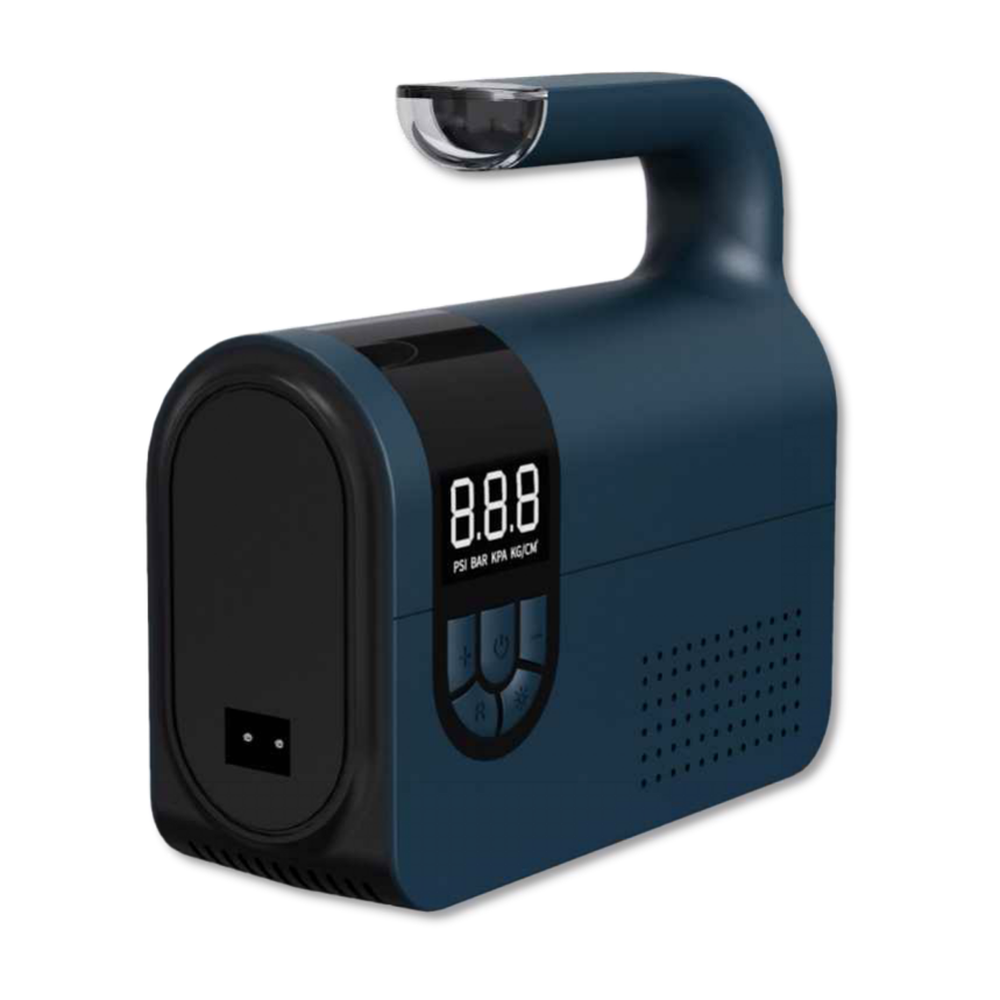
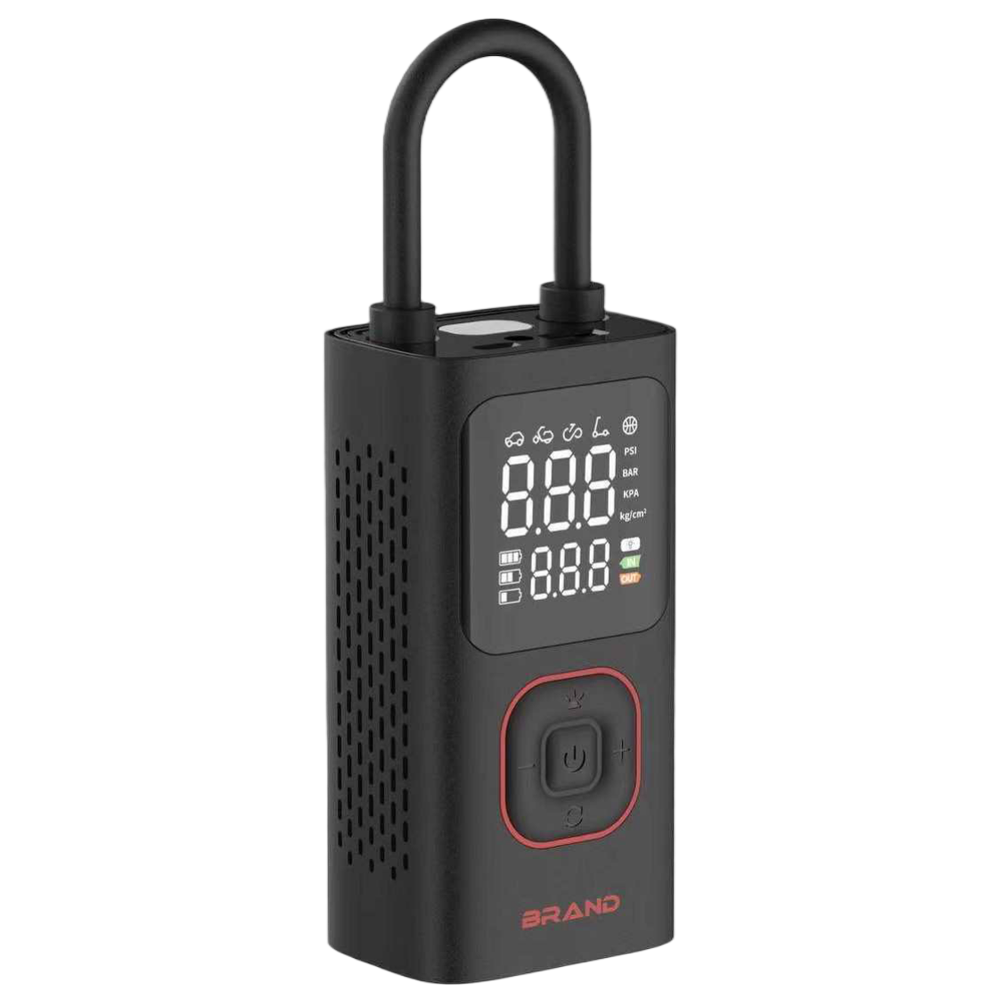
| Low tyre pressure | Gauge reading below target, tyre visibly soft | Auto-stop at the preset value, gauge rechecked | Inflates the reference tyre from A to B in the time stated on the spec sheet |
| Dark engine bay | Torch placed on a flat surface, beam missing the work area | Hands-free light on the work area, both hands free | Runtime and output figures from the specification sheet |
| Winter roadside | Frost on the windscreen, driver with gloves on | Full kit deployed from one case | The bundle contains the items shown, with the listed interfaces |
Which product claims survive a viewer who owns the product?
Claims that are conditional, measurable and tied to a stated test condition survive scrutiny. Claims that are absolute, comparative without a reference, or dependent on an unnamed vehicle do not. A reviewer who buys the item can check an inflation time, a preset pressure, a runtime at a stated output and the contents of a box. A reviewer cannot check an unexplained highest-ever current figure, and the comment section will say so.
- Use: the reference tyre size, the start and target pressure, the ambient temperature, the engine size used in a start demonstration, the output mode used for a runtime figure.
- Avoid: superlatives with no comparator, weather promises with no temperature, and a performance figure taken from a different model in the same housing.
- Keep: the exact model number visible in at least one frame so that the demo can be matched to the report and to the goods in the carton.
How do you brief a creator without creating a compliance problem?
Give the creator a short written brief with three parts: the shot list, the approved claim list and the safety boundaries. The safety boundaries matter most with jump starters and lithium packs, because a dramatic demonstration is often an unsafe one. State plainly that clamps are attached to the correct terminals, that a unit is never shorted or opened on camera, and that a tyre is never inflated beyond the vehicle manufacturer specification. Add the required disclosure wording for paid partnerships in the destination market.
| Brief section | Include | Exclude |
|---|---|---|
| Shot list | Failure frame, product frame, proof frame, model-number frame | Improvised stunts and unscripted disassembly |
| Approved claims | Figures copied from the specification sheet with their conditions | Absolute claims, competitor comparisons, guarantees of outcome |
| Safety boundaries | Correct terminal order, rated pressure, no piercing or heating of cells | Short-circuit demonstrations, over-inflation, charging unattended |
| Disclosure and usage | Paid partnership disclosure, territory, usage period, who owns the footage | Unlimited perpetual use without written agreement |
What belongs in the asset kit that ships with the goods?
The kit should let a distributor brief a creator without writing to the factory. It is a small, version-controlled folder: a one-page specification card, approved claim wording in the destination language, neutral product and packaging shots, a shot list, a short comment-section FAQ and the test-record references that support the numbers. Mark it with a revision date so that an old claim does not survive a specification change.
- Specification card with model number, Wh, starting current, pressure range, output and runtime, each with its test condition.
- Approved claim wording and a short list of phrases to avoid, translated by a reviewer who understands the product.
- Product shots on a plain background plus three in-use shots: in the hand, in the case and in the vehicle.
- A comment-section FAQ answering the questions that repeat: compatibility, charging plug, cold weather, warranty and spare parts.
- A contact route for technical questions, so that a creator does not invent an answer under a viral clip.
How should a distributor measure a demo before scaling it?
Judge a clip by the actions that follow it, not by its view count alone. A demonstration that produces saves, specification questions and retailer enquiries is more useful than one that produces passive views. Track a small set of numbers for each format, keep the ones that generate qualified questions, and retire the ones that generate returns or claim disputes. A view count from a third-party analytics service is an indicator of reach, not a sales forecast.
| Signal | What it suggests | Next step |
|---|---|---|
| Saves and specification questions | Buyers are evaluating the product | Publish a follow-up clip answering the top three questions |
| Clicks but few questions | The hook works, the proof does not | Strengthen the proof frame and show the model number clearly |
| Views with claim disputes in comments | A number on camera is not supported | Pull the clip, check the record, correct the asset kit |
| Returns citing a different result | The demo showed a configuration that did not ship | Reconcile the demo unit with the purchase order annex |
How does a factory support a creator programme?
The supplier contributes evidence and consistency, not the campaign itself. That means a stable configuration, test records for the exact model, a specification card that matches the carton, sample units from the production batch rather than a hand-built prototype, and a technical contact who can answer a question within a working day. When a clip succeeds, the factory should be able to reproduce the same unit at volume without a silent component change.