



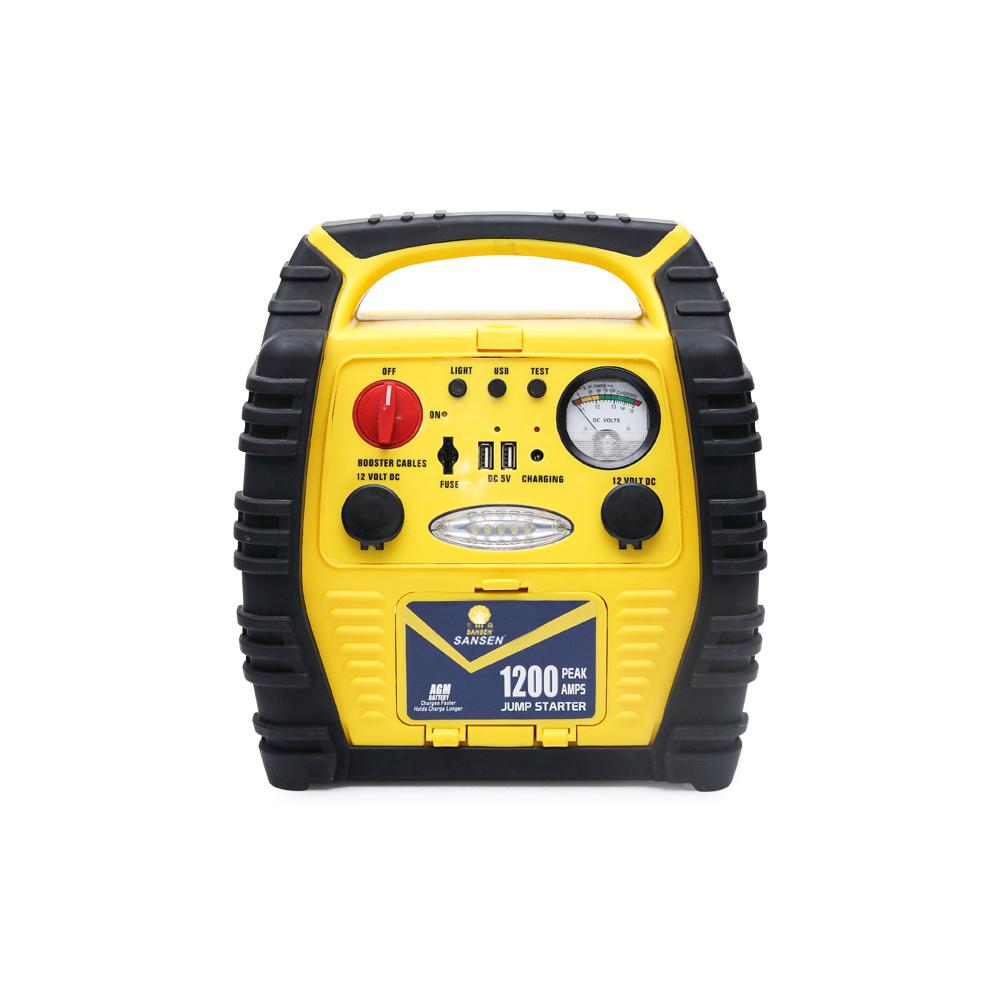

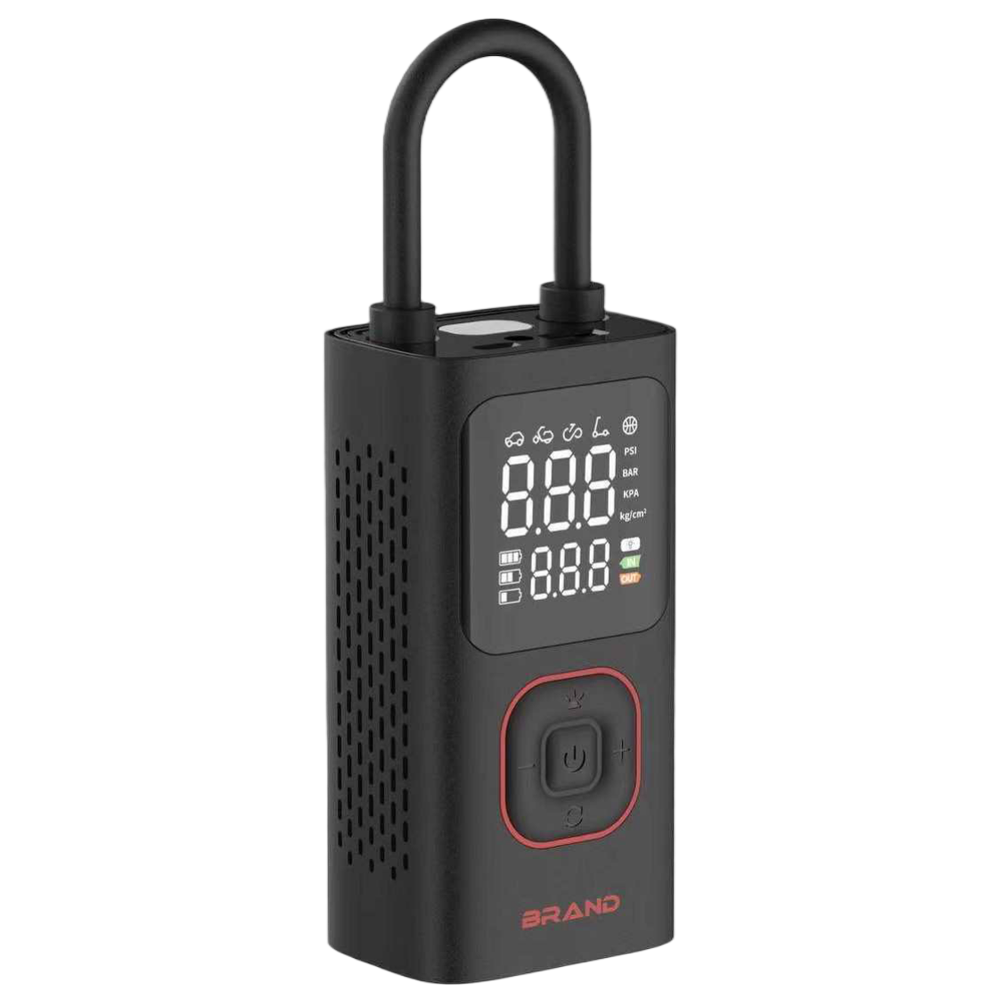
Why does one multi-function device have several possible codes?
Because tariff headings describe goods by function or composition, while retail products are sold by use case. A unit that starts a car, inflates a tyre, charges a phone and provides light contains components that would each sit in a different heading if imported separately. Classification rules for composite goods generally look to the function that gives the product its essential character, and that judgement depends on measurable facts: what the unit is primarily designed to do, how it is marketed, and what proportion of the value or function each component represents.
| Function inside the unit | Headings commonly discussed | Fact that decides the argument |
|---|---|---|
| Rechargeable lithium battery pack | 8507.60 family | Is the consignment a battery or a device containing one? |
| Static conversion and charging | 8504.40 family | Is the converter or charger the principal function of the appliance? |
| Portable electric lamp | 8513.10 family | Is the product a self-contained portable lamp powered by its own battery? |
| Air pump or compressor | 8414 family | Is the pumping function the reason the customer buys the item? |
| Composite retail set | Depends on the set and its essential character | What is in the carton and which item gives the set its character? |
Which headings commonly come up for these products?
For a rechargeable torch, the portable lamp heading 8513.10 is the usual starting point. A standalone lithium-ion battery pack points to 8507.60. A device whose defining function is power conversion or charging is often argued under 8504.40, and an inflator whose defining function is pumping may be argued under 8414. US Customs and Border Protection has published rulings on multi-function car emergency units; at least one such ruling classified a combined inflator and booster under subheading 8504.40.9550 on the reasoning that the converter function was decisive. That ruling is useful as an example of the reasoning, not as a universal answer.
How do you get a classification you can rely on?
Start with a licensed customs broker in the destination market and give them the real technical file rather than a marketing page. For a meaningful annual volume, apply for a binding ruling or binding tariff information from the authority, which gives a written answer tied to a described product. Keep that answer with the shipment file and recheck it whenever the configuration, the set contents or the origin changes.
- Prepare a one-page technical description: functions, ratings, watt-hour figure, materials, and a photograph of the unit and its accessories.
- State exactly what is in the retail carton and whether items are packed together for retail sale as a set.
- Ask the broker for the proposed full national subheading and the reasoning behind it, in writing.
- Where volume justifies it, apply for a binding ruling and record its reference and validity period.
- Reconcile the answer with the suppliers invoice description before the first container is booked.
What does classification change in the landed cost?
Much more than the base duty line. The heading determines the applicable duty rate, whether additional trade-remedy or safeguard measures apply, whether a licence or conformity document is needed at the border, and how origin is evidenced. It also interacts with the import VAT or GST base and with any preferential rate claimed under a trade agreement. A two-line difference in a spreadsheet can therefore hide a different compliance obligation as well as a different number.
| Cost or obligation | How classification affects it | Check before quoting a retail price |
|---|---|---|
| Customs duty | Rate is set by the national subheading | Current schedule with effective date |
| Additional measures | Some measures target specific subheadings and origins | Current list for the origin and destination |
| Import VAT or GST | Usually calculated on the duty-inclusive value | Local recovery rules for the importing entity |
| Conformity and labelling | Product scope often follows the classification or product directive | Required marks, DoC and language of documentation |
| Origin and preference | A preferential rate needs qualifying origin evidence | Supplier declaration and its validity |
| Broker and clearance | Complex classifications take longer to clear | Broker fee and realistic clearance time |
What should the supplier put on the invoice?
The invoice and packing list should describe the goods in terms a broker can classify. A product nickname, a factory item code or the word accessories is not enough. Request a consistent description that names the function, the battery chemistry and watt-hour rating, the output ratings, and the exact set contents, and keep that wording identical across the invoice, the declaration and the specification card.
- Full product description with principal function, for example portable rechargeable LED work light or lithium-ion jump starter with integral inflator.
- Model number, battery chemistry and watt-hour rating where a lithium pack is present.
- Quantity of units, number of cartons, net and gross weight, and the unit and total value.
- A clear statement of what is included in each retail set, especially non-electrical items.
- Origin statement and any supplier declaration needed to support a preference claim.
What are the common classification mistakes?
Most are avoidable administrative errors. The code is carried over from a different model, the set contents change without a review, the invoice uses a retail name, or the origin is assumed rather than evidenced. A fourth problem is treating a ruling for one market as valid in another, because national subheadings and explanatory notes differ even when the six-digit heading matches.
| Mistake | Consequence | Control |
|---|---|---|
| Reusing a code from a similar model | Post-clearance reassessment and back duties | Tie the code to a written technical description per SKU |
| Ignoring a change in set contents | The set may take a different classification | Trigger a review whenever the bundle or packaging changes |
| Vague invoice description | Broker queries, clearance delay, inconsistent declaration | Standard description template agreed with the supplier |
| Assuming one ruling fits all markets | Wrong national subheading or missed measure | Broker confirmation for each destination market |
| Quoting a stale duty rate | Landed-cost model is wrong | Date-stamp the tariff source in the costing sheet |